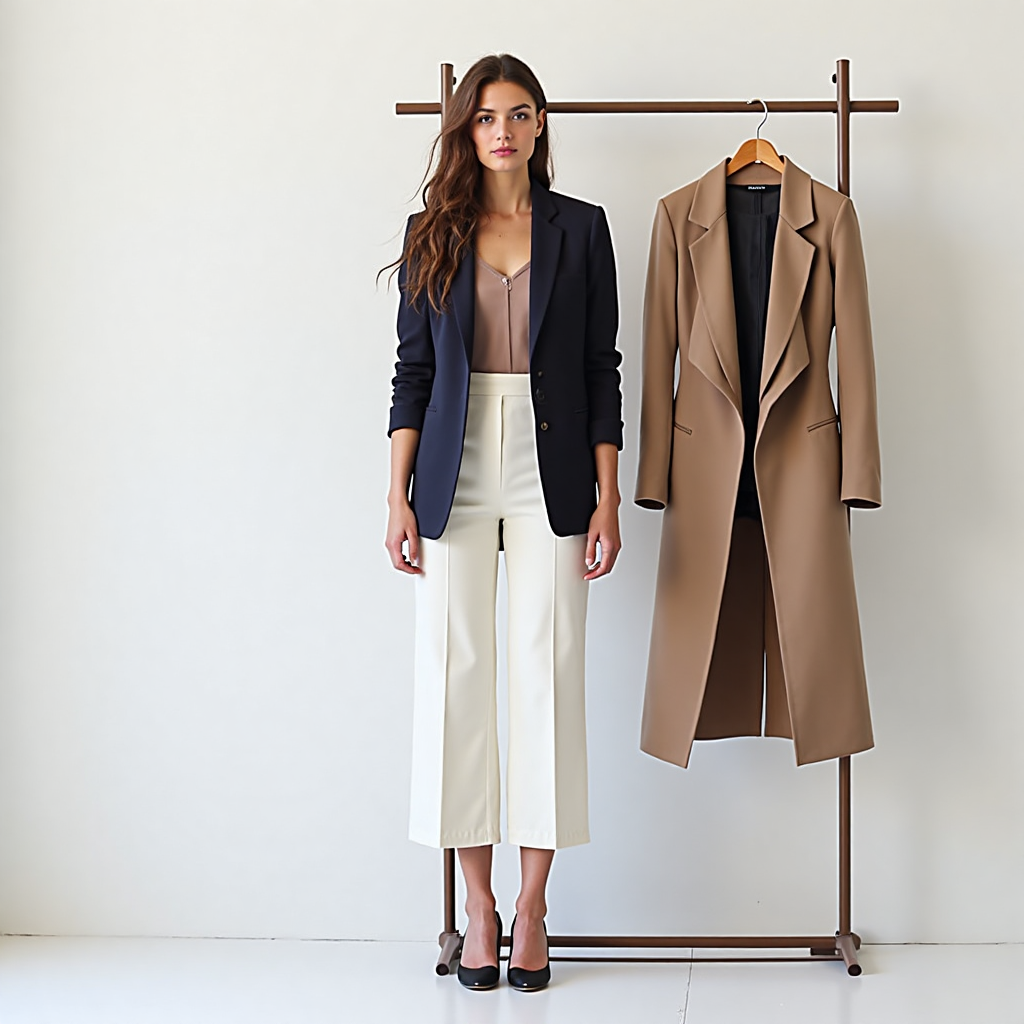
Building a wardrobe that works as hard as you do does not mean owning a closet full of clothes. For many working women, the opposite is true. A minimalist wardrobe for working women is a curated collection of high-quality, versatile pieces that can be mixed and matched to create polished outfits for any professional setting. It is about removing decision fatigue from your mornings, saving money, and always feeling confident in what you wear. This guide will walk you through the principles, essential pieces, and practical habits you need to build a minimalist professional wardrobe that truly serves your life.
The modern workplace is more dynamic than ever. Dress codes have shifted, seasons change, and your daily schedule may jump from boardroom meetings to after-work events. A well-planned minimalist wardrobe gives you the flexibility to handle all of these moments without the stress of an overflowing closet. Instead of asking “what do I wear?” every morning, you can simply reach for any combination and know it will work. That is the power of a thoughtfully curated capsule wardrobe for professional women.
Why a Minimalist Wardrobe Works for Professional Women
There is a reason the concept of a capsule wardrobe has become a mainstay in conversations about professional style. The benefits extend far beyond aesthetics. When you reduce the number of items in your closet and focus on pieces that fit well and coordinate effortlessly, you save valuable time each morning. That saved time can be redirected toward a calm breakfast, a quick workout, or simply arriving at work without feeling rushed. A minimalist approach also reduces decision fatigue, a real phenomenon that drains mental energy when you are faced with too many choices. By limiting your options to only those that work, you preserve that energy for more important decisions at work.
Financially, a minimalist wardrobe encourages intentional spending. Instead of buying trendy items that fall apart or go out of style quickly, you invest in fewer, better-made pieces. Over time, this often saves money because you are not constantly replacing cheap garments. You also develop a stronger sense of personal style. When every item in your closet earns its place, you naturally begin to understand what silhouettes, colors, and fabrics make you feel confident. This clarity translates into a more consistent professional presence.
Finally, a minimalist wardrobe supports sustainability. The fashion industry is one of the largest polluters in the world. By buying less and choosing well, you reduce waste and your own environmental footprint. This is an increasingly important consideration for working women who want their purchases to reflect their values. A smaller, well-loved wardrobe is a quiet but powerful statement against fast fashion and disposable clothing culture.
Core Principles of a Minimalist Work Wardrobe
Before you start pulling pieces out of your closet or compiling a shopping list, it is essential to understand the principles that guide a successful minimalist wardrobe. These rules will help you make smart decisions and avoid the common trap of replacing one cluttered wardrobe with another, only smaller.
1. Quality Over Quantity
This is the foundation of any minimalist wardrobe. A single high-quality blazer made from good wool or a well-constructed silk blouse will outperform five cheap versions. Quality garments drape better, resist wear, and maintain their shape after repeated laundering. When you hold a quality piece, you can feel the difference in the fabric weight, stitching, and construction. While the upfront cost is higher, the cost per wear is often much lower. Focus on natural or high-performance synthetic blends that breathe and hold their structure. Look for reinforced seams, proper lining, and hardware that feels substantial.
2. Fit is Non-Negotiable
Even the most expensive garment will look cheap if it does not fit well. A minimalist wardrobe demands that every piece fits your body comfortably and flatters your shape. This may mean investing in professional tailoring for items like blazers, trousers, and dresses. A nip at the waist, a hem adjustment, or a sleeve shortening can transform a good garment into an exceptional one. When shopping, buy for the largest part of your body and tailor the rest. Never hold onto pieces that are too tight, too loose, or simply uncomfortable in the name of minimalism. If you do not feel good wearing it, it has no place in your wardrobe.
3. Versatility Rules
Every item in your minimalist work wardrobe should be able to be worn in at least three different outfit combinations. If a piece only works with one specific outfit, it is not earning its place. This does not mean everything must be boring or plain. It means you should prioritize pieces that can transition between contexts. A simple cashmere sweater can be worn over a silk blouse for a formal meeting, with tailored trousers for a client presentation, or with a skirt for a dinner event. Versatility is the secret weapon of a functional minimalist closet.
4. Neutral Foundation with Intentional Color
Minimalist wardrobes are often associated with neutrals, and for good reason. Neutral colors such as black, navy, gray, white, beige, and camel are easy to mix and match and always look professional. However, that does not mean your wardrobe has to be colorless. The key is to build a neutral foundation and then add a few intentional accent colors that suit your complexion and personal style. This ensures that even your colorful pieces coordinate with the rest of your wardrobe. A burgundy blouse will pair beautifully with navy, black, and beige trousers if you have built those as your base.
Building Your Essential Capsule: The Core Pieces
Now that you understand the principles, let’s talk about the specific pieces that form the backbone of a minimalist work wardrobe. These are not arbitrary suggestions; they are the building blocks that will give you dozens of outfit combinations from a relatively small number of items. Aim for a total of around 35 to 45 pieces including clothing, shoes, and outerwear. Your exact number may vary based on climate and industry, but this is a solid starting point.
The Tops
Your tops will do a lot of the heavy lifting in your daily outfits. Focus on clean silhouettes and fabrics that resist wrinkling and look polished even after a long day.
- Silk or Satin Blouses: Two or three blouses in ivory, navy, or black. These are the ultimate professional top and can be dressed up or down.
- Crisp Button-Down Shirts: One white and one light blue. Choose a non-iron or easy-care cotton blend for practicality.
- Fine-Knit Sweaters: Two or three in neutral colors such as camel, gray, or black. Cashmere, merino wool, or a high-quality cotton blend works well.
- Structured Knit Tops: A couple of polished knit shells or short-sleeve tops for layering under blazers.
- Casual Professional Top: One or two high-quality t-shirts in a heavier weight cotton or modal blend for casual Fridays or layered looks.
Bottoms
Your bottoms anchor every outfit. Choose cuts that are classic and flattering, and avoid overly trendy details that will date quickly.
- Tailored Trousers: Two pairs in black and navy or charcoal. Look for a straight-leg or slightly tapered cut that flatters most body types.
- Versatile Skirt: One pencil skirt in a neutral color. A knee-length or midi length in black, navy, or gray works for most professional environments.
- Everyday Pants: One pair of well-fitted, dark-wash jeans or ponte pants for business casual days.
- Optional Culottes or Wide-Leg Pants: One pair in a neutral tone if this silhouette suits your style and workplace.
Outerwear and Layers
A strong outerwear game pulls your entire look together and keeps you polished even in bad weather.
- Structured Blazer: One black and one navy or beige. A well-fitted blazer instantly elevates any outfit.
- Classic Trench Coat: A beige or camel trench coat is timeless and works for both rain and cool weather.
- Wool Overcoat: One quality coat in black, navy, or camel for colder months.
- Cardigan or Wrap: One longline cardigan in a neutral color for layering over tops and dresses.
Dresses and Suits
Dresses are the unsung heroes of a minimalist work wardrobe. They are one-piece outfits that require minimal styling and always look put together.
- Little Black Dress: One professional black dress that can be worn to meetings, presentations, and after-work events.
- Shift or Wrap Dress: One or two additional dresses in navy, burgundy, or a subtle pattern that flatters your figure.
- Optional Suit Set: If your workplace is more formal, a matching blazer and trouser or skirt suit in a neutral color is a wise investment.
Choosing a Color Palette That Works
The secret to a truly versatile minimalist wardrobe is a cohesive color palette. When every color in your closet works with every other color, the number of possible outfits multiplies dramatically. Start with a base of two or three core neutrals such as black, navy, and beige. Then add one or two lighter neutrals like white, cream, or light gray for blouses and tops. Finally, select one or two accent colors that you love and that flatter your skin tone. Burgundy, forest green, dusty blue, or terracotta are all excellent choices for professional wardrobes.
Once you have defined your palette, discipline yourself to stick to it when shopping. This prevents the common mistake of buying a beautiful piece that does not go with anything else in your closet. It also makes getting dressed in the morning infinitely easier because you know that every combination will coordinate. If you are drawn to patterns, choose one or two classic patterns such as a subtle stripe, a small polka dot, or a timeless plaid that incorporate your palette colors. Avoid large, bold prints that are difficult to mix and match.
Accessories: The Finishing Touch
Accessories are where you can inject personality into your minimalist wardrobe without adding bulk. A few well-chosen accessories can change the entire feel of an outfit and keep your look fresh. Because accessories are small, they are also easier to store and less expensive to update than clothing.
Invest in a quality leather handbag in a neutral color such as black, tan, or navy. A structured tote or satchel that fits your laptop and daily essentials is a professional must-have. For jewelry, choose a few simple pieces that you can wear every day, such as a pair of small gold or silver hoops, a delicate necklace, and a classic watch. These pieces add polish without being distracting. A silk scarf in one of your accent colors is another versatile accessory that can be tied around your neck, draped over your shoulders, or used to accessorize your handbag. Finally, a slim belt in the same color as your shoes or handbag helps to define your waist and pull together an outfit.
Footwear: Function Meets Polish
Your shoes can make or break your professional appearance and your physical comfort. A minimalist work wardrobe requires a few pairs of high-quality, comfortable shoes that cover all your professional needs. Do not sacrifice comfort for style; there are many elegant options that will keep your feet happy all day.
- Classic Black Pumps: One pair with a moderate heel height that you can wear for meetings and formal occasions.
- Comfortable Flats or Loafers: One pair in black, navy, or tan for days when you are on your feet a lot.
- Dressy Ankle Boots: One pair in black or brown for cooler months and business casual outfits.
- Neutral Heeled Sandals: One pair for warmer weather if your workplace allows open-toe shoes.
When choosing shoes, look for leather or high-quality synthetic materials, cushioned insoles, and soles with good traction. Rotate your shoes regularly to allow them to air out and maintain their shape. Use shoe trees for leather pairs to prevent creasing. A smaller shoe collection that is well cared for will serve you much better than a large collection of cheap, uncomfortable options.
Seasonal Adjustments Without Overhauling
A common concern about minimalist wardrobes is how to handle seasonal changes. The key is to build a four-season capsule by adding and removing a few pieces rather than replacing your entire wardrobe. Your core pieces such as blazers, trousers, blouses, and dresses should work year-round with the right layering.
Spring and Summer
For warmer months, focus on lighter fabrics such as cotton, linen, and silk blends. Swap heavier knits for short-sleeve blouses and breathable dresses. Keep your blazers in rotation for air-conditioned offices and formal meetings. Choose lighter footwear such as loafers or heeled sandals. Store heavy winter coats and boots clean and properly maintained until cooler weather returns.
Fall and Winter
For colder months, layering becomes your best friend. Add fine-knit sweaters, wool trousers, and a quality overcoat. Darker colors and heavier fabrics feel seasonally appropriate. Invest in a pair of dressy ankle boots and maybe a pair of lined leather gloves. You do not need a separate winter wardrobe; simply add warm layers under and over your core pieces.
By rotating just a handful of seasonal items, you keep your closet small and intentional while still being prepared for all types of weather. This approach also makes the change of seasons feel refreshing rather than overwhelming.
Shopping Smarter: Maintaining Your Minimalist Wardrobe
Building a minimalist wardrobe is only the first step. Maintaining it requires mindful shopping habits and regular closet check-ins. Without these habits, it is easy to slide back into accumulation and clutter.
The One-In-One-Out Rule
One of the simplest and most effective rules for maintaining a minimalist wardrobe is the one-in-one-out rule. Every time you buy a new piece of clothing, commit to removing one existing item from your wardrobe. This forces you to consider whether the new item is truly better than something you already own. It also keeps your total number of pieces stable over time. If you are not willing to part with an old item, that is a sign you do not need the new one.
Annual Wardrobe Audit
Set aside time once or twice a year to review your entire wardrobe. Take everything out of your closet and assess each piece. Ask yourself if it still fits, if it is in good condition, if it aligns with your current style, and if you have worn it in the past year. If the answer is no, it is time to let it go. Donate, sell, or recycle items that no longer serve you. This audit keeps your wardrobe fresh and prevents dead weight from accumulating.
Quality Care and Repairs
Taking care of the pieces you own is essential to making a minimalist wardrobe sustainable. Follow care labels, wash delicate items by hand or on gentle cycles, and line dry when possible. Store knits folded rather than hung to prevent stretching. Invest in good hangers that maintain the shape of blazers and coats. Repair small issues like loose buttons, fallen hems, or minor tears promptly. A high-quality garment that is well cared for can last for many years, reducing the need for frequent replacements.
Common Mistakes to Avoid
Even with the best intentions, it is easy to make mistakes when transitioning to a minimalist wardrobe. Being aware of these common pitfalls will help you stay on track and build a wardrobe that truly works.
- Buying too many “almost right” pieces: Do not settle for a garment that is not exactly what you want or that does not fit perfectly. Those almost-right pieces will hang in your closet unworn.
- Following trends instead of personal style: Trends come and go. A minimalist wardrobe should be built on timeless silhouettes and colors that flatter you personally.
- Neglecting comfort: A beautiful outfit that you cannot wait to take off is not a success. Prioritize comfort in fabrics, fit, and footwear.
- Trying to do everything at once: You do not need to throw out all your clothes and start from scratch. Transition gradually, replacing low-quality items with high-quality ones as your budget allows.
- Overlooking tailoring: Many garments can be dramatically improved with simple alterations. Do not underestimate the power of a good tailor.
Conclusion
A minimalist wardrobe for working women is not about deprivation or wearing the same outfit every day. It is about being intentional with your choices so that every piece in your closet is something you love, fits well, and works harmoniously with everything else. By focusing on quality, versatility, and a cohesive color palette, you can dramatically simplify your mornings, reduce stress, and always present yourself with confidence and polish.
Building and maintaining this wardrobe is a journey, not a one-time event. Start with the core pieces, pay attention to what makes you feel powerful and comfortable, and gradually let go of what no longer serves you. The result is a professional wardrobe that supports your career and your life, giving you the freedom to focus on what matters most. With less clutter and more intention, you will never stand in front of a full closet and feel like you have nothing to wear again.