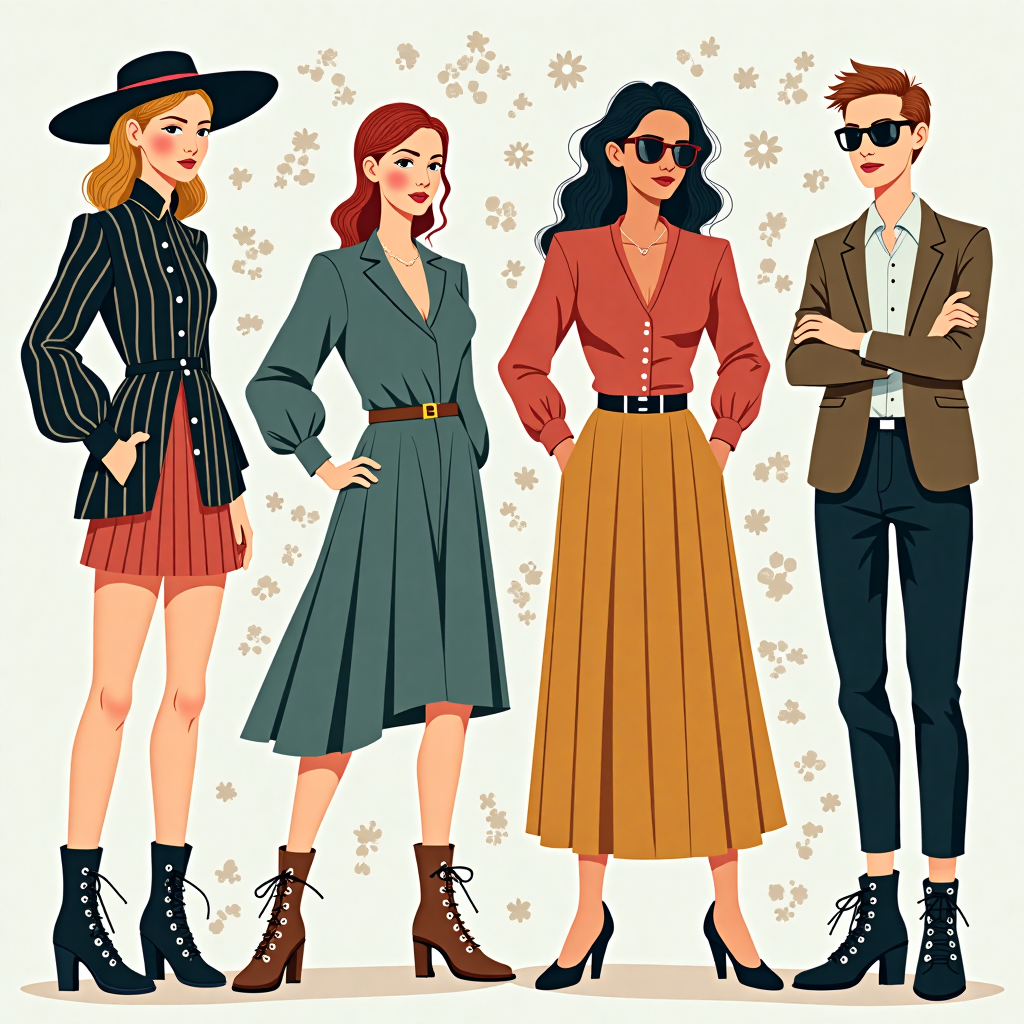
The phrase “sustainable fashion” once conjured images of minimalist linen garments with triple-digit price tags, available only in boutique stores or through exclusive online drops. For years, conscious clothing felt out of reach for everyday shoppers who wanted to make better choices without draining their bank accounts. Fortunately, that reality has shifted dramatically. A new wave of sustainable fashion brands that aren’t expensive is proving that ethical production, quality materials, and accessible pricing can coexist. These brands are redefining what it means to shop responsibly by cutting out unnecessary markups, using innovative low-impact fabrics, and designing pieces that are meant to last far beyond a single season.
The key is understanding that affordability in sustainable fashion doesn’t mean the same thing as cheap fast fashion. Instead, it means paying a fair price for a garment that was made with care, using materials that are better for the environment, and supporting workers who are paid fairly. When you shift your mindset from “how little can I pay” to “what is the real cost per wear,” affordable sustainable clothing becomes not only accessible but also financially smart. A $45 organic cotton t-shirt that lasts five years is ultimately less expensive than a $12 shirt that loses its shape after three washes and ends up in a landfill.
This guide will walk you through what makes a brand truly sustainable, what to look for when shopping on a budget, and a detailed list of brands that offer ethical clothing at prices that won’t make you flinch. Whether you’re refreshing your basics, looking for activewear, or hunting for a dress that works for both work and weekend, there are options that align with your values and your budget. The goal isn’t perfection—it’s progress. And with the brands below, progress is more affordable than ever.
Why Affordable Sustainable Fashion Is No Longer a Contradiction
For a long time, sustainability and affordability seemed locked in a tug-of-war. Sustainable brands argued that cheap clothing was only possible through exploitation, while budget-conscious shoppers argued that they simply couldn’t afford to pay premium prices for every wardrobe staple. Both points had merit. Conventional fast fashion kept prices artificially low by externalizing the true costs—underpaid labor, toxic dyes, synthetic fabrics, and massive waste. Truly sustainable fashion, on the other hand, often relied on smaller production runs, organic certifications, and fair trade premiums, all of which pushed retail prices upward.
What has changed is the rise of direct-to-consumer business models. By skipping traditional retail markups, brands can sell high-quality sustainable clothing at significantly lower prices. Instead of a $90 organic cotton sweater being marked up to $220 in a department store, the same sweater can be sold directly online for $75. Brands like Pact, Kotn, and Quince have built their entire models around this principle. They work closely with factories, order in smart quantities, and pass the savings on to customers. The result is a growing market of budget-friendly sustainable fashion that doesn’t compromise on ethics or aesthetics.
At the same time, consumer demand has pushed larger retailers to introduce more responsible lines at accessible price points. Fabrics like organic cotton, TENCEL™ lyocell, and recycled polyester have become more widely available and less expensive to produce. This scale has helped drive down costs across the industry. While sustainable fashion may never match the rock-bottom prices of ultra-fast fashion, the gap has narrowed significantly. Today, you can build a conscious wardrobe for roughly the same budget as a mid-range high-street one—especially if you shop strategically and focus on pieces you truly love.
What to Look For in a Budget-Friendly Sustainable Brand
Not every brand that uses the word “green” or “conscious” is actually sustainable. Greenwashing—marketing that makes a company appear more eco-friendly than it really is—is rampant. To find genuinely affordable sustainable fashion, you need to know what signs to look for. A low price alone doesn’t guarantee a bad product, just as a high price doesn’t guarantee a good one. The real question is whether the brand is transparent about its supply chain, materials, and labor practices.
Certifications and Standards
One of the easiest ways to verify a brand’s claims is through third-party certifications. These independent standards hold companies accountable and give you confidence that your money is supporting responsible practices. When you’re browsing a brand’s website, look for the following certifications:
- GOTS (Global Organic Textile Standard): Ensures organic fiber processing, fair labor conditions, and strict environmental criteria.
- Fair Trade Certified: Guarantees that workers receive fair wages, safe working conditions, and community development funds.
- OEKO-TEX Standard 100: Certifies that textiles are free from harmful substances, making them safer for you and the planet.
- B Corp Certification: Verifies a company meets high standards of social and environmental performance, accountability, and transparency.
- Climate Neutral Certified: Confirms a brand measures, offsets, and reduces its carbon footprint.
Materials That Cost Less and Last Longer
The fabric composition of a garment is one of the strongest indicators of both sustainability and long-term value. Affordable sustainable brands often rely on materials that are durable, renewable, and low-impact. Some of the most common include:
- Organic cotton: Grown without harmful pesticides or synthetic fertilizers, using less water than conventional cotton.
- TENCEL™ lyocell: Made from sustainably harvested wood pulp in a closed-loop process that recycles water and solvents.
- Recycled polyester: Created from post-consumer plastic bottles, diverting waste from landfills and reducing the need for virgin petroleum.
- Hemp: A fast-growing crop that requires minimal water and no synthetic pesticides, producing strong, breathable fabric.
- Linen: Made from flax plants, linen is biodegradable, naturally pest-resistant, and becomes softer with every wash.
Transparent Pricing
Brands that are serious about affordability and ethics often share detailed cost breakdowns. They might show you exactly how much they spend on materials, labor, transport, and overhead, and how that translates into the retail price. This kind of transparency is rare in conventional fashion, where markups can be 5 to 10 times the production cost. When a brand openly explains its pricing, it’s a strong signal that you’re paying for value rather than hype. Look for companies that name their factory partners, share worker stories, and explain why a particular garment costs what it does.
11 Sustainable Fashion Brands That Won’t Break the Bank
Below is a carefully curated list of brands that consistently offer ethical clothing at accessible prices. While “affordable” is relative, these brands generally keep most items under $100, with plenty of basics in the $20 to $60 range. Each brand has been chosen for its commitment to sustainability, quality, and transparent practices.
1. Pact
Pact has become a go-to for affordable organic cotton basics. The brand focuses on everyday essentials like t-shirts, underwear, leggings, and sleepwear, all made from GOTS-certified organic cotton in Fair Trade Certified factories. Prices are remarkably reasonable—think $20 tees, $30 leggings, and multi-packs of underwear for under $40. Pact frequently runs sales and bundle deals, making it easy to stock up without overspending. The fit is comfortable and classic, so these pieces work as wardrobe foundations rather than trend-driven throwaways.
2. Everlane
Everlane is famous for its “Radical Transparency” model, which breaks down the true cost of every item. While not everything on the site is budget-friendly, the brand’s basics are competitively priced. Organic cotton tees start around $30, denim hovers around $80, and cashmere sweaters—once a luxury—start at about $100. Everlane works with ethical factories around the world and has expanded its use of organic cotton, recycled materials, and lower-impact denim. It’s an excellent option for sharp, minimalist pieces that can transition from work to weekend.
3. tentree
tentree combines earth-friendly materials with a simple promise: for every item purchased, the company plants ten trees. The brand offers casual clothing for men and women, including sweatshirts, joggers, dresses, and outerwear. Most pieces are made from organic cotton, TENCEL™, hemp, or recycled polyester. Prices typically range from $30 for tees to $90 for hoodies and jackets. tentree is Climate Neutral Certified and B Corp Certified, making it a trustworthy choice for affordable, planet-positive clothing.
4. Kotn
Kotn specializes in elevated basics made from Egyptian cotton sourced directly from farming families in the Nile Delta. The brand creates timeless t-shirts, henleys, dresses, and loungewear with a focus on quality and supply-chain transparency. Prices are accessible, with t-shirts around $30 and sweatshirts under $80. Kotn also invests in education and infrastructure in its farming communities, so every purchase supports a broader social mission. The fabrics feel far more luxurious than their price tags suggest.
5. Boody
Boody is an Australian brand known for its incredibly soft essentials made from organically grown bamboo viscose. The brand offers underwear, bras, socks, activewear, and loungewear. Bamboo requires significantly less water than cotton and grows quickly without pesticides, making it a highly renewable resource. Boody’s prices are very budget-friendly—underwear often costs around $12 to $18, and leggings or tops are typically under $40. If comfort and affordability are high priorities, Boody is an excellent sustainable option.
6. Organic Basics
Organic Basics lives up to its name with a focused selection of underwear, socks, t-shirts, and activewear made from organic cotton and recycled materials. The brand emphasizes long-lasting construction and simple, timeless design. Prices are moderate, with many items falling between $20 and $70. Organic Basics frequently offers multi-pack discounts, which can bring the per-piece cost down even further. Their commitment to ethical factories and lower-impact production makes them a reliable choice for sustainable staples.
7. For Days
For Days takes a circular approach to fashion, offering organic cotton basics with a take-back program. When your clothes eventually wear out, you can send them back to be recycled into new fabric, earning credits toward future purchases. This closed-loop system reduces waste and keeps clothing out of landfills. Prices are accessible, with tees and tops starting around $30 and loungewear under $100. For Days is ideal if you want to minimize your environmental impact without sacrificing style or affordability.
8. Quince
Quince has made a name for itself by offering luxury materials—cashmere, silk, linen, and organic cotton—at radically lower prices. The brand cuts out middlemen and works directly with factories to deliver high-quality pieces for a fraction of typical retail costs. A cashmere sweater that might cost $150 elsewhere is often under $60 at Quince. While not every item is made from sustainable materials, the brand has expanded its eco-friendly offerings, including organic cotton, recycled cashmere, and washable silk. Quince is a smart option for affordable, elevated basics.
9. Prana
Prana is a long-standing leader in sustainable outdoor and lifestyle clothing. The brand uses organic cotton, recycled wool, and hemp, and is a Fair Trade Certified partner. While full-price items can sometimes push into the $80 to $120 range, Prana runs frequent sales where you can find excellent deals on durable pants, tops, and jackets. Their clothing is built to last, making it a favorite for hikers, travelers, and anyone seeking versatile, comfortable pieces.
10. Girlfriend Collective
Girlfriend Collective has become the go-to brand for sustainable activewear that doesn’t cost a fortune. The company uses recycled materials, including plastic bottles and fishing nets, to create leggings, sports bras, and tops. Their signature compressive leggings are priced around $68, which is affordable compared to many premium activewear brands. Girlfriend Collective is also size-inclusive and committed to ethical manufacturing. The pieces hold up beautifully through countless workouts and washes.
11. LA Relaxed
LA Relaxed offers effortless, California-inspired clothing made from sustainable fabrics like organic cotton, TENCEL™, and linen. The brand’s relaxed silhouettes are designed for comfort and easy layering. Prices are accessible, with tank tops starting around $30 and dresses or jumpsuits ranging from $70 to $100. LA Relaxed produces in small batches in Los Angeles, reducing waste and supporting local garment workers. It’s a great choice for breezy, everyday pieces that feel as good as they look.
Where to Find Affordable Sustainable Fashion Beyond Brand Names
While the brands above make it easy to shop consciously, some of the most affordable sustainable fashion doesn’t come from a brand-new collection at all. Secondhand shopping, clothing swaps, and rentals are powerful ways to reduce your environmental footprint while spending very little money. In fact, the most sustainable garment is the one that already exists.
Thrift and Consignment Stores
Local thrift stores, consignment shops, and vintage boutiques are treasure troves of affordable fashion. By buying secondhand, you extend the life of a garment and keep it out of the waste stream. Thrift shopping also allows you to experiment with styles without paying premium prices. While it can take patience, the thrill of finding a high-quality wool coat or a silk dress for a few dollars is hard to beat. Many thrift stores also support charitable causes, adding another layer of positive impact to your purchase.
Online Resale Platforms
If you prefer the convenience of online shopping, there are numerous resale platforms where you can find gently used sustainable brands at steep discounts. Some of the most popular include:
- ThredUp: A massive online thrift store with thousands of budget-friendly items and a dedicated “sustainable brands” filter.
- Poshmark: A peer-to-peer marketplace where you can negotiate prices and find everything from everyday basics to designer pieces.
- Depop: A favorite among younger shoppers for vintage and unique fashion, often at very low prices.
- Vinted: A community-driven platform that makes it easy to buy and sell secondhand clothes without high fees.
- The RealReal: For higher-end sustainable and designer pieces, though prices vary widely and deals can be found.
Clothing Swaps and Rental Services
Clothing swaps are an underrated way to refresh your wardrobe for free. Gather friends, family, or coworkers and exchange items you no longer wear. Many communities also host larger swap events where you can browse a wide selection without spending a dime. Rental services, while not always the cheapest option for everyday wear, can be a smart choice for special occasions. Instead of buying a dress you’ll wear once, rent it for a fraction of the retail price and return it to be worn again by someone else.
How to Build a Sustainable Wardrobe on a Budget
Building a sustainable wardrobe doesn’t require a complete overhaul or a huge budget. In fact, the most sustainable approach is often to wear what you already own and add new pieces only when necessary. When you do buy, focus on quality, versatility, and long-term value. A small collection of well-made items will serve you far better than a closet stuffed with cheap garments that fall apart quickly.
- Buy fewer, better things: Instead of buying five average tops, save for one or two high-quality pieces you truly love.
- Focus on cost per wear: A $60 dress worn 60 times costs $1 per wear, while a $20 dress worn twice costs $10 per wear.
- Care for garments properly: Wash in cold water, air dry when possible, and follow care labels to extend the life of your clothes.
- Learn basic repairs: Sewing on a button, fixing a small tear, or patching a hole can add years to a garment’s life.
- Choose versatile colors and styles: Neutral tones and classic silhouettes are easier to mix and match, reducing the need for more items.
Common Myths About Sustainable Fashion and Cost
Despite the growing availability of affordable options, several myths persist about sustainable fashion and its cost. These misconceptions can discourage people from exploring more ethical choices, so it’s worth addressing them directly.
Myth: Sustainable fashion is always expensive
This is perhaps the most common myth, and while some sustainable brands are indeed pricey, many are not. The brands listed above prove that you can find organic cotton tees, recycled activewear, and ethically made basics for well under $100. Direct-to-consumer models, efficient production, and scaled materials have brought prices down significantly. Sustainable fashion is no longer only for the wealthy—it’s for anyone willing to look beyond the traditional retail markups.
Myth: Cheap sustainable clothes don’t last
There is a difference between low quality and low price. Many affordable sustainable brands prioritize durability because they know that longevity is a core part of sustainability. A well-made $40 organic cotton shirt can outlast several $10 fast-fashion versions. The key is to pay attention to fabric quality, stitching, and care instructions. Ethical brands often design with longevity in mind, because their reputation depends on producing garments that people actually want to keep.
Myth: You have to replace your whole wardrobe
No one needs to throw out everything they own and start fresh with sustainable brands. The most sustainable thing you can do is wear what you already have. Transition slowly by replacing worn-out items with more responsible alternatives. Over time, your wardrobe will naturally become more sustainable without requiring a massive upfront investment. This gradual approach is both financially sensible and environmentally sound.
Conclusion
Sustainable fashion no longer belongs exclusively to luxury boutiques or eco-warrior influencers with unlimited budgets. The rise of direct-to-consumer brands, innovative low-impact fabrics, and circular business models has made ethical clothing more accessible than ever. Brands like Pact, Kotn, Girlfriend Collective, and Quince prove that you can dress well, support fair labor, and reduce your environmental impact without spending a fortune. The old excuse that sustainable fashion is too expensive simply doesn’t hold up anymore.
Still, true sustainability isn’t about buying a whole new wardrobe from perfect brands. It’s about being intentional with every purchase, caring for what you own, and recognizing that the most affordable and sustainable garment is often the one already hanging in your closet. When you do need something new, choose wisely. Look for transparent supply chains, durable materials, and timeless designs. Embrace secondhand shopping, swaps, and repairs as part of your routine.
With the options available today, you can build a stylish, ethical, and budget-friendly wardrobe one thoughtful piece at a time. Sustainable fashion that isn’t expensive is not a fantasy—it’s a rapidly growing reality. Your wallet, your wardrobe, and the planet all stand to benefit.